

H2S was the first airborne, ground scanning radar. But what does that actually mean? With H2S a radar beam from the aircraft was focused downward towards the ground. The signal was reflected back by whatever it hit.
Learn More
Rebecca and Eureka were two pieces of equipment used in conjunction. Rebecca was a radio transceiver (transmitter and receiver) fitted in an aircraft. Eureka was a ground-based transponder (a device that sends a response to a radio signal that it has received).
Learn More
Window was a countermeasure used against German radar. It consisted of aluminium foil strips that were dropped from an Allied aircraft. The aluminium strips reflected the enemy radar creating a ‘cloud’ on their radar screen that hid the location of the Allied aircraft.
Learn More
ASV is Air to Surface Vessel radar. ASV allowed aircraft to detect and attack enemy craft at sea, and in particular German U-boats when they surfaced.
Learn More
AI in this context refers to Airborne Interception (not Artificial Intelligence). AI radar allows an aircraft to detect other aircraft in the air, intercept and attack them.
Learn More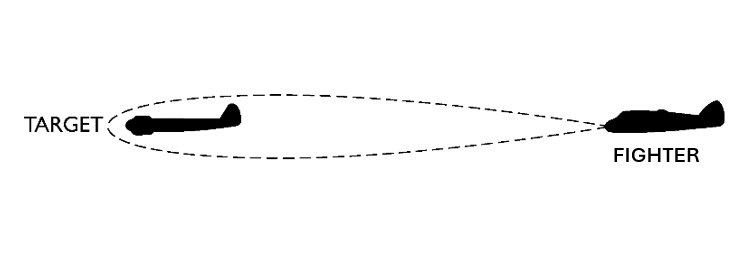
Automatic Landing is the ability for an aircraft to fly toward an airfield, make its final approach and land on a runway, without human intervention, i.e. the pilot is “hands off”.
Learn More