Automatic Landing
What is Automatic Landing?
Automatic Landing is the ability for an aircraft to fly toward an airfield, make its final approach and land on a runway, without human intervention, i.e. the pilot is “hands off”.
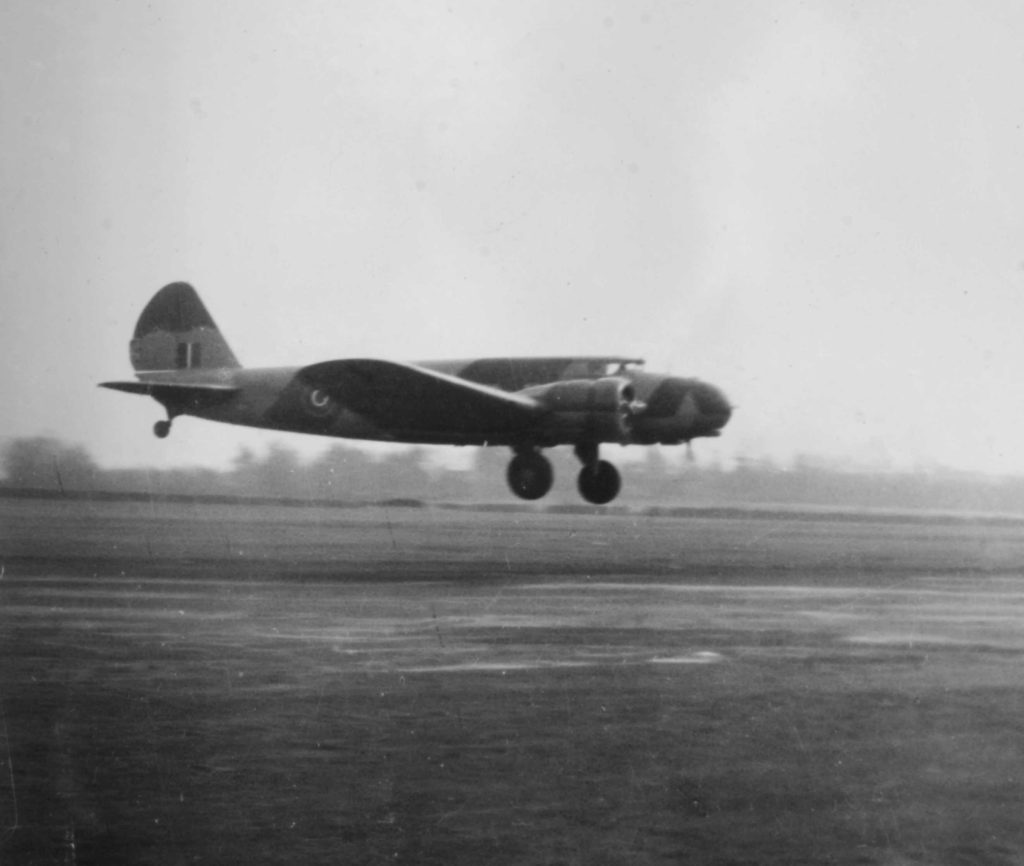
Boeing 247-D carrying out automatic landing
Why is it so important?
Automatic Landing systems allow an aircraft to land safely in poor visibility or difficult weather conditions when it would be dangerous for the pilot to perform a manual landing.
A brief history of Automatic Landing
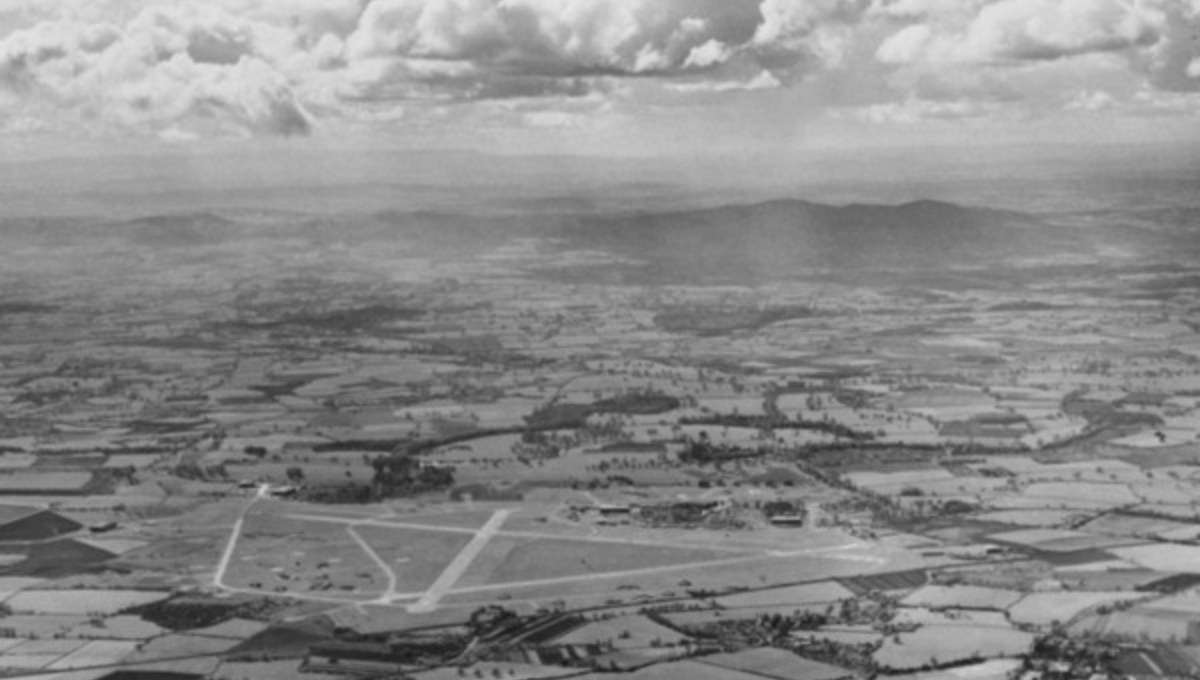
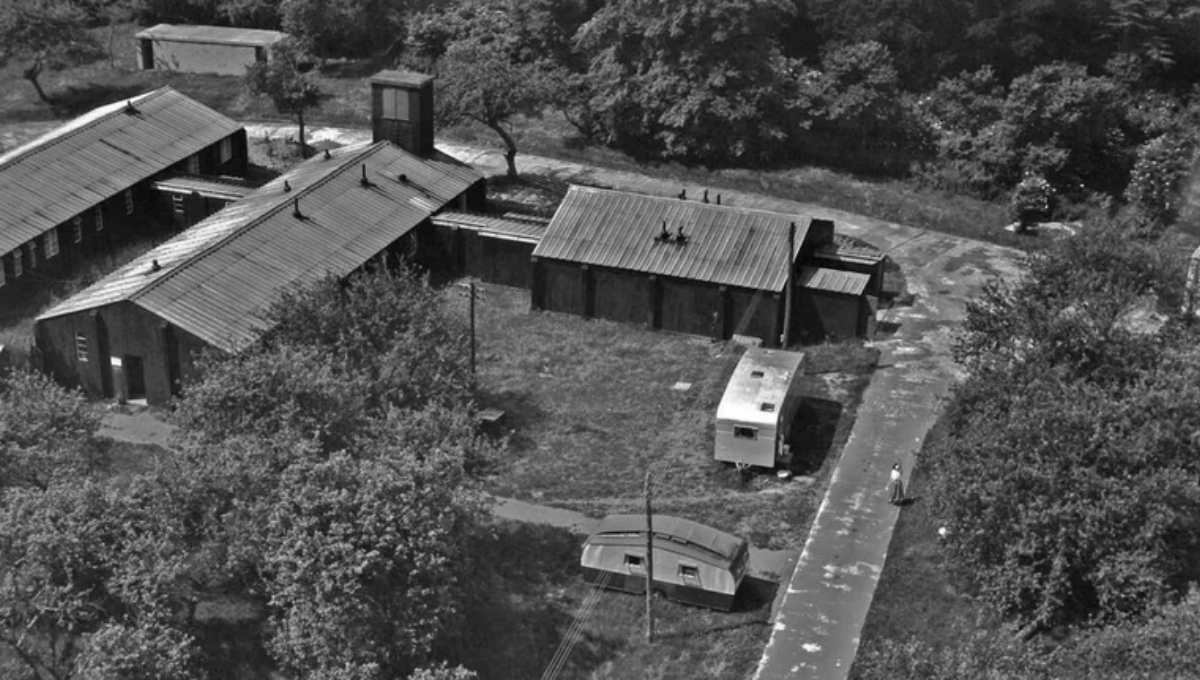
The first ever fully automatic landing was performed at RAF Defford on 16th January 1945. It was carried out using a Boeing 247-D, DZ203. During the 1940s a system had been developed to assist pilots on landing approach in poor conditions, the Beam Approach Beacon System (BABS). For automatic landing BABS was used in conjunction with Rebecca-Eureka and linked to the aircraft autopilot.
Development of automatic landing systems was transferred to the Blind Landing Experimental Group (BLEU) at RAF Woodbridge in 1945.
The first use of automatic landing systems on a commercial flight was on 4th November 1964, when Captain Eric Poole landed a British European Airway Trident at Heathrow Airport with visibility of 40 metres. Today they are standard equipment, ensuring safe and efficient air travel for us all.